
Why Korean Restaurants Never Charge for Side Dishes
(And why the refills never stop coming)
The first time foreign visitors sit down at a Korean restaurant, something happens before the main dish even arrives.
The table fills up.
Kimchi. Pickled radish. Seasoned spinach. Bean sprouts. Sometimes six or seven small dishes, and nobody ordered any of them.
Then comes the real surprise.
All of it is free. And when a bowl runs low, you can simply ask for more.
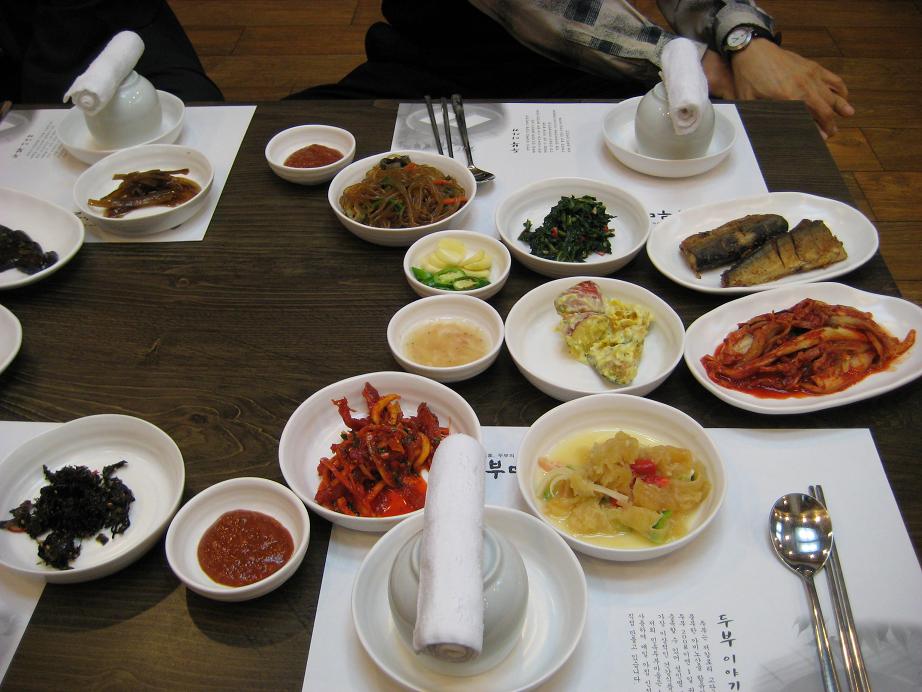
Not Extras — Just Part of the Meal
In Korea, these side dishes are called banchan (반찬).
They aren’t treated as add-ons or bonus items. They’re considered a basic part of any proper meal, the same way rice or soup is.
A table with only one dish feels incomplete, almost like something is missing.
So restaurants build banchan into the price of the meal from the start, not as a marketing gesture, but as the standard.
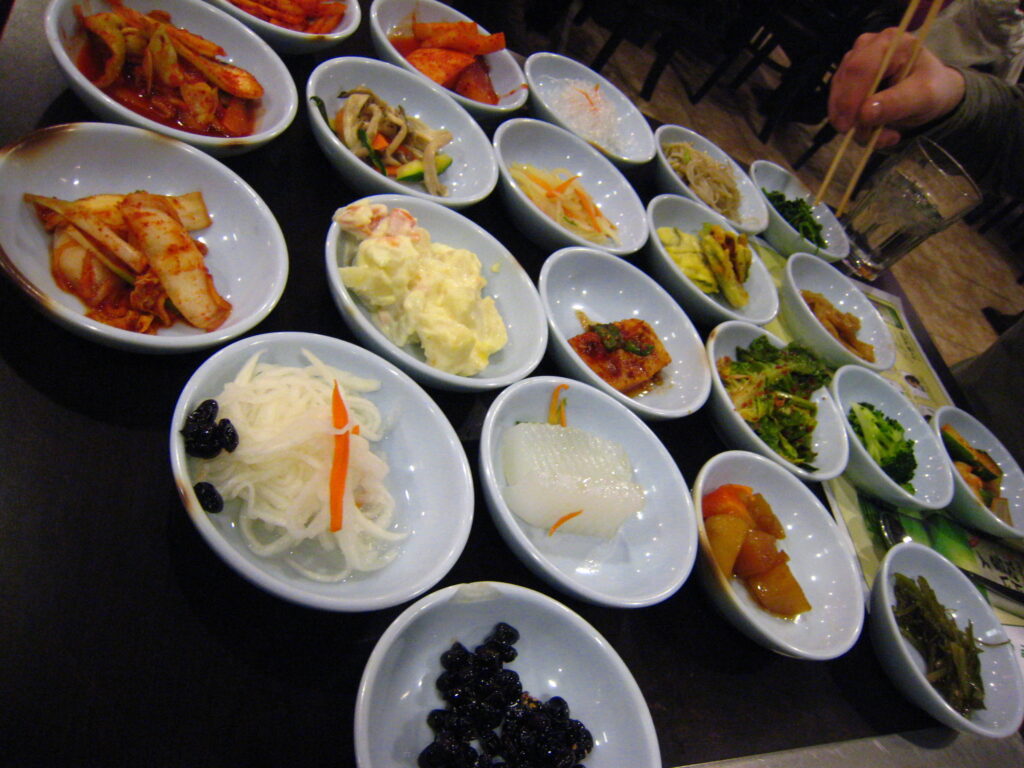
Why Restaurants Can Actually Afford It
Free refills sound expensive, but the math works out.
Most banchan are made from cheap, shelf-stable ingredients: fermented vegetables, dried anchovies, seasoned bean sprouts, pickled radish.
They’re prepared in large batches, stored easily, and cost very little per serving.
For a restaurant, keeping the side dishes generous is a small price for something bigger: customers who come back.
A Quiet Rule Locals Follow
There’s an unspoken side to this system.
Refills are free, but wasting food isn’t really welcomed.
Koreans usually ask for a little more, finish it, then ask again if needed, instead of piling the table with dishes they won’t touch.
Some restaurants have quietly started charging for excessive leftovers, especially for premium items like grilled fish or meat side dishes.
The system runs on trust: take what you need, and the restaurant keeps giving generously.
A Realistic Note for Visitors
You don’t have to finish every dish, and you don’t have to feel awkward asking for more.
A simple “반찬 더 주세요” (banchan deo juseyo) — “more side dishes, please” — is all it takes.
Just try not to leave a table full of untouched food, especially if you asked for extra.
Beyond that, feel free to enjoy the table. Banchan changes from restaurant to restaurant, region to region, and comparing them is part of the fun of eating in Korea.
What looks like a small courtesy is actually a quiet philosophy: a good meal in Korea was never meant to have just one dish on the table.